দৈনিক নিউজ বাংলা
Cultural perspectives How gambling beliefs shape behavior across nations
The Historical Context of Gambling Beliefs
Gambling has existed for centuries, with its roots tracing back to ancient civilizations. Historical records reveal that societies across the globe, from the Romans to the Chinese, engaged in various forms of betting, often intertwined with their cultural practices. In many cultures, gambling was not merely a pastime but a significant component of social and ritualistic events. For instance, in ancient China, gambling was part of the Lunar New Year celebrations, emphasizing its deep cultural significance. Today, platforms like monixbet.uk illustrate how these traditions continue to evolve, bridging different cultural contexts.
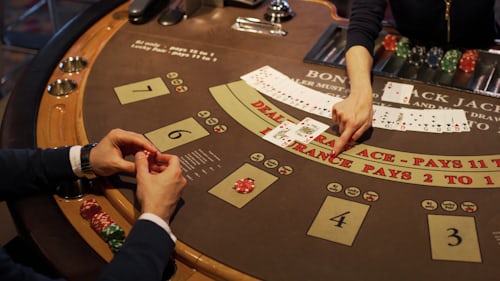
As nations evolved, so did their perceptions of gambling. In Western cultures, the perception of gambling transitioned from a communal activity to one associated with individualism and personal gain. Conversely, many Eastern societies maintained a more communal approach, viewing gambling as a social activity. These historical perspectives continue to influence contemporary attitudes toward gambling, shaping laws and societal norms surrounding it.
Understanding the historical context of gambling beliefs helps reveal why certain nations embrace or shun gambling practices. For example, countries like Japan maintain strict regulations, emphasizing societal harmony over individual pursuits, while places like Las Vegas have embraced gambling as a central aspect of tourism and entertainment. This dichotomy illustrates how historical narratives shape the cultural framework within which gambling operates today.
The Psychological Aspects of Gambling
The psychology of gambling is deeply influenced by cultural beliefs. Research shows that individuals’ motivations for gambling often stem from their cultural upbringing and societal values. For instance, in cultures where gambling is viewed as a form of entertainment, individuals may approach it more casually, leading to a lower risk of addiction. In contrast, in societies that view gambling as a means to wealth, individuals may be more susceptible to developing problematic gambling behaviors.
Furthermore, cognitive biases play a significant role in gambling behavior. Many gamblers tend to overestimate their chances of winning, a phenomenon exacerbated by cultural narratives surrounding luck and fate. In cultures that emphasize luck, individuals may engage in magical thinking, believing that they can influence outcomes through rituals or lucky charms. This belief can lead to a cycle of gambling as individuals chase losses, reinforcing negative behaviors.
The impact of peer influence is also noteworthy. In cultures where gambling is normalized, individuals may feel social pressure to participate, believing it strengthens community bonds. Conversely, in cultures where gambling is stigmatized, individuals may hide their behaviors, leading to feelings of isolation. This dynamic illustrates how cultural perspectives on gambling not only shape individual behaviors but also influence societal norms and expectations.
The Role of Government and Regulation
Government regulation plays a crucial role in shaping gambling behaviors across nations. Different countries adopt varied approaches to gambling laws, reflecting their cultural values and beliefs. For example, Scandinavian countries often regulate gambling tightly, emphasizing responsible gambling practices and consumer protection. This approach aligns with their cultural emphasis on social welfare, ensuring that gambling does not negatively impact vulnerable populations.
In contrast, nations like the United States adopt a more laissez-faire attitude, allowing states to create their own gambling laws. This decentralized approach has led to a patchwork of regulations that reflect local attitudes toward gambling. In places where gambling is legal and widely accepted, such as Nevada, it fosters a vibrant economy, attracting millions of tourists. This economic perspective often overshadows potential negative social consequences, revealing a tension between cultural beliefs and economic interests.
Additionally, the rise of online gambling platforms has further complicated regulatory landscapes. Countries are grappling with how to manage and monitor online gambling, which often transcends national borders. This evolution poses challenges for maintaining cultural values and protecting consumers, demonstrating that as gambling behaviors evolve, so too must the approaches to regulation in different cultures.
Cultural Differences in Gambling Superstitions
Gambling superstitions vary widely across cultures, influencing how individuals engage with games of chance. In many Western cultures, common beliefs include the idea of lucky numbers or rituals that gamblers perform before placing bets. These superstitions often stem from a desire to control the uncontrollable, providing gamblers with a false sense of security as they navigate uncertain outcomes.
Conversely, in Asian cultures, there are more complex beliefs surrounding luck and fortune. For example, the color red is often associated with good luck in Chinese culture, leading to the prevalence of red decorations in casinos or during gambling events. Such cultural nuances highlight the diverse ways that gambling practices are intertwined with beliefs about luck, fate, and destiny.
These superstitions can have significant implications for gambling behavior. Individuals may be more likely to gamble if they believe they have a “lucky” day or if they adhere to specific rituals, which can further entrench them in gambling behaviors. As cultural beliefs shape these superstitions, they ultimately influence the frequency and manner of gambling across different societies.

Monixbet and the Global Gambling Landscape
Monixbet is an online gaming platform that reflects the diverse cultural perspectives surrounding gambling today. Tailored for UK players, it offers an immersive experience with a wide range of games, including slots and live dealer options. By providing a platform that caters to the preferences of various cultural backgrounds, Monixbet recognizes the importance of understanding regional attitudes toward gambling.
The site also emphasizes responsible gambling, aligning with the increasing global awareness of gambling addiction and its societal impact. This commitment speaks to a cultural shift toward prioritizing player safety while enjoying the entertainment that gambling can provide. Monixbet’s approach demonstrates how online platforms can integrate cultural values into their offerings, enhancing the user experience while promoting responsible behavior.
As the landscape of gambling continues to evolve, platforms like Monixbet will play a critical role in shaping future cultural narratives. By understanding and addressing the diverse beliefs surrounding gambling, they can contribute to a more informed and responsible gambling culture, bridging the gap between entertainment and societal responsibility in the global marketplace.